If you have found termites, or a company has already quoted you a treatment, the first question is simple: which termite treatment Dallas homes actually need? The two names you will hear most often are Termidor and Trelona. They are not two brands of the same product. One is a liquid barrier, and the other is a bait station system. This guide explains how each one works in plain terms, how they differ, and what to ask before you say yes.
Miss Phoebe’s Pest & Termite Control serves homes across the Dallas-Fort Worth area, and both treatments are on its service list. This post is a general comparison, not a diagnosis. Only an inspection of your own property can show which approach fits your home.
Termite Treatment Dallas Homeowners Choose From: Barrier or Bait
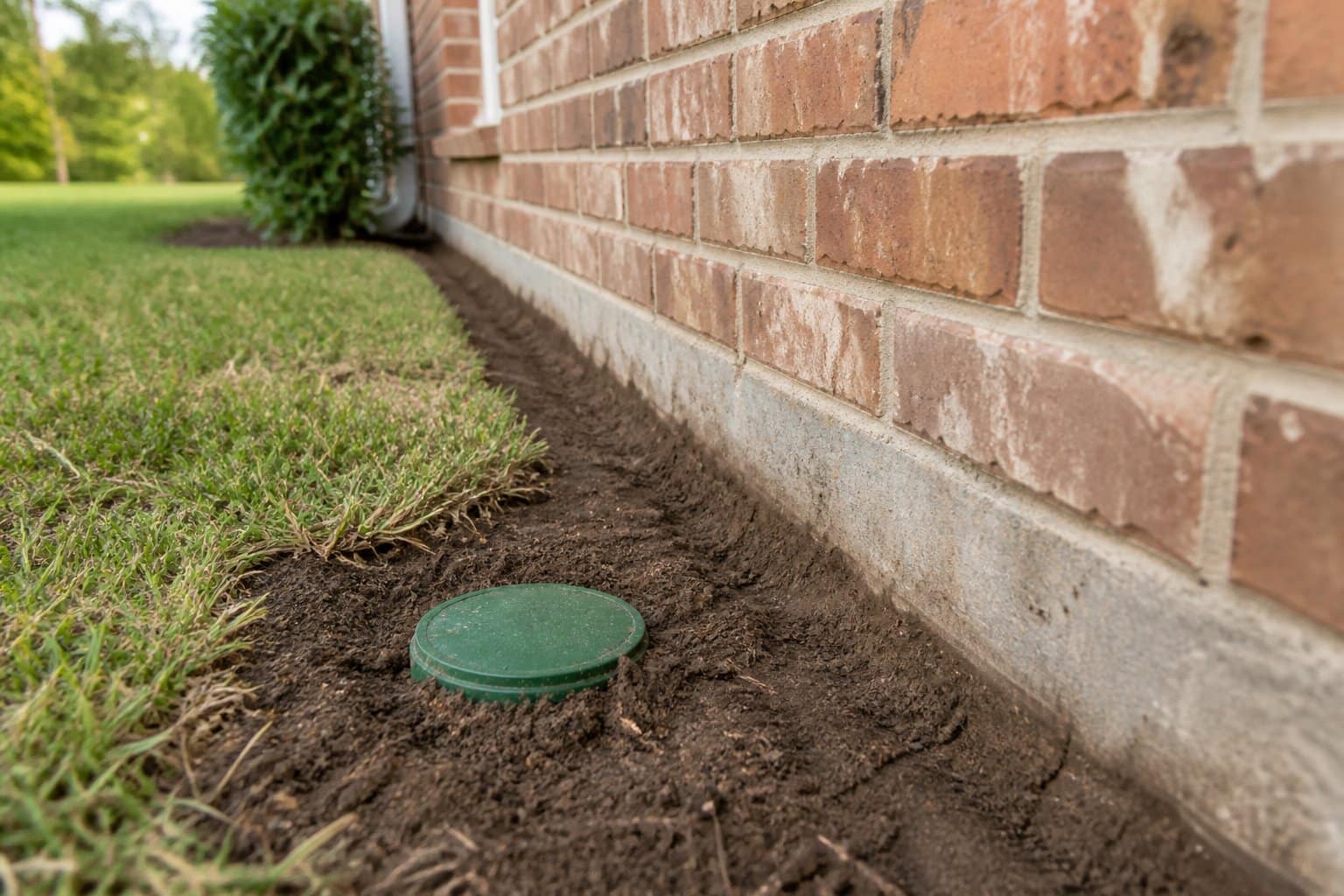
Most professional treatments for subterranean termites fall into two groups. The first is a barrier. The second is bait. Knowing the difference makes a quote much easier to read.
A barrier treatment places a liquid termiticide in the soil along the foundation or around the exterior perimeter of the home. Termites moving through the soil toward your house come into contact with it.
A bait system works the other way around. Stations are placed in the ground around the home. Termites find the stations and feed on the bait, then carry it back to their nestmates. Over time the colony declines.
Both aim at the same result: a home without active termites. They get there in different ways, and that changes what you will see on the day of service and what follow-up looks like afterward.
Which Termites Are You Dealing With?
Termite type matters before product does. Subterranean termites nest in the ground and reach a home through small mud tubes where the soil meets the structure. Drywood termites live inside the wood itself and push out small piles of pellets that look like sawdust or coffee grounds. Our termite FAQ lists the signs to look for, including grooves in wood and blisters in wood floors.
Both termite treatment Dallas options in this guide, a liquid barrier and a bait system, are aimed mainly at subterranean termites. Drywood termites usually call for a different approach, such as a product applied directly into the affected wood. That is why identifying what you have comes first. A recommendation made before anyone has looked at your home is a guess.
Termidor Termite Treatment Dallas: The Liquid Barrier Option
Termidor is a liquid termiticide. For subterranean termites, the technician applies it along the foundation walls or the exterior perimeter, creating a treated zone in the soil around the home.
One reason homeowners ask about it is the transfer effect. A termite that touches the product can carry it back and pass it on to other termites, so it can reach beyond the ones that made direct contact. For drywood termites, Termidor DRY is a dry product rather than a liquid, so it does not add moisture to the wood when it is applied to affected areas.
At a high level, the process looks like this: an inspection, a plan for where the product will go, the application at the foundation or perimeter, and follow-up inspections afterward. Prep, timing and the exact areas treated depend on your home, so your technician should walk you through them. Our Termidor treatment page has more background on the product.
Trelona Termite Treatment Dallas: The Bait Station Option
Trelona ATBS Advance is a termite baiting system. Instead of treating a band of soil, the technician places stations in the ground around the structure. Termites find the stations, feed, and share the bait with the rest of the colony.
Baiting is an ongoing process rather than a single application. The stations are inspected and monitored, and bait is replaced if needed. Because the bait works through the colony, the result is gradual rather than immediate. Termite numbers decline over time instead of dropping on the day of service.
Ask your technician how often the stations are checked and what happens when a station shows activity. Our Trelona treatment page explains the system in more detail.
How the Two Options Compare Side by Side
- Form: Termidor is a liquid. Trelona is a bait placed in stations.
- Placement: Termidor goes into the soil along the foundation or exterior perimeter. Trelona stations are set in the ground around the home.
- How it works: Termidor relies on termites contacting the product and passing it on. Trelona relies on termites feeding on the bait and sharing it with the colony.
- Pace: Bait works gradually as the colony declines. Ask your technician what timeline to expect for the option they recommend.
- Follow-up: Termidor calls for periodic inspections. Trelona calls for station monitoring and re-baiting if needed.
- Drywood termites: Termidor DRY is an option for drywood termites in affected wood. Bait stations are aimed at subterranean termites.
Neither option is better in every situation, so any termite treatment Dallas homeowners compare should start from the facts about the home. The right choice depends on the termite type, how the home is built, where activity was found, and the kind of follow-up you want. Neither treatment repairs wood that is already damaged, and fixing moisture problems or wood that touches the soil helps with any approach.
How an Inspection Shapes Your Termite Treatment Plan
A good plan starts with a look at the property. The technician checks the foundation, the areas where wood meets soil, crawl spaces and any spots where you have noticed damage. They are looking for the type of termite, where the activity is, and what about the home may be inviting it in.
That information drives the choice of termite treatment Dallas homes need, whether a liquid barrier or bait stations. It also shapes where product goes and how the follow-up is handled. If you want to learn what termites look like and how they get in first, our termite page is a good place to start.
Ask to be shown what the technician finds. Seeing mud tubes or damaged wood yourself makes it much easier to judge a quote.
Questions to Ask Before You Choose a Termite Treatment
Whichever company you talk to, bring the same list. Clear answers are a good sign.
- What did you find, and where? Can you show me?
- Are these subterranean or drywood termites?
- Which product do you recommend for my home, and why that one over the other?
- Where will it be applied or placed, and what do I need to do to prepare?
- What follow-up inspections or station checks happen afterward, and are they included in the quote?
- What is covered in writing, and for how long?
- Is the company licensed to treat for termites in Texas?
If the answers are vague, get a second opinion. The National Pest Management Association also publishes a general termite guide that is useful background reading before you compare quotes.
Next Steps for Termite Treatment Dallas Homeowners Can Take
If you have seen mud tubes, grooves in wood, or pellets that look like sawdust, start with an inspection before you decide on a product. Our protection plans page is also worth a look if you are thinking about long-term coverage after treatment.
Call Miss Phoebe’s at (214) 357-7373 or request a free inspection at https://missphoebes.com/contact/. We will look at your home, tell you what we find, and talk through which option makes sense.